Formation en Pose d’ongles
$250.00 – $1,399.00Price range: $250.00 through $1,399.00
Several courses are available, depending on the technique you wish to learn.
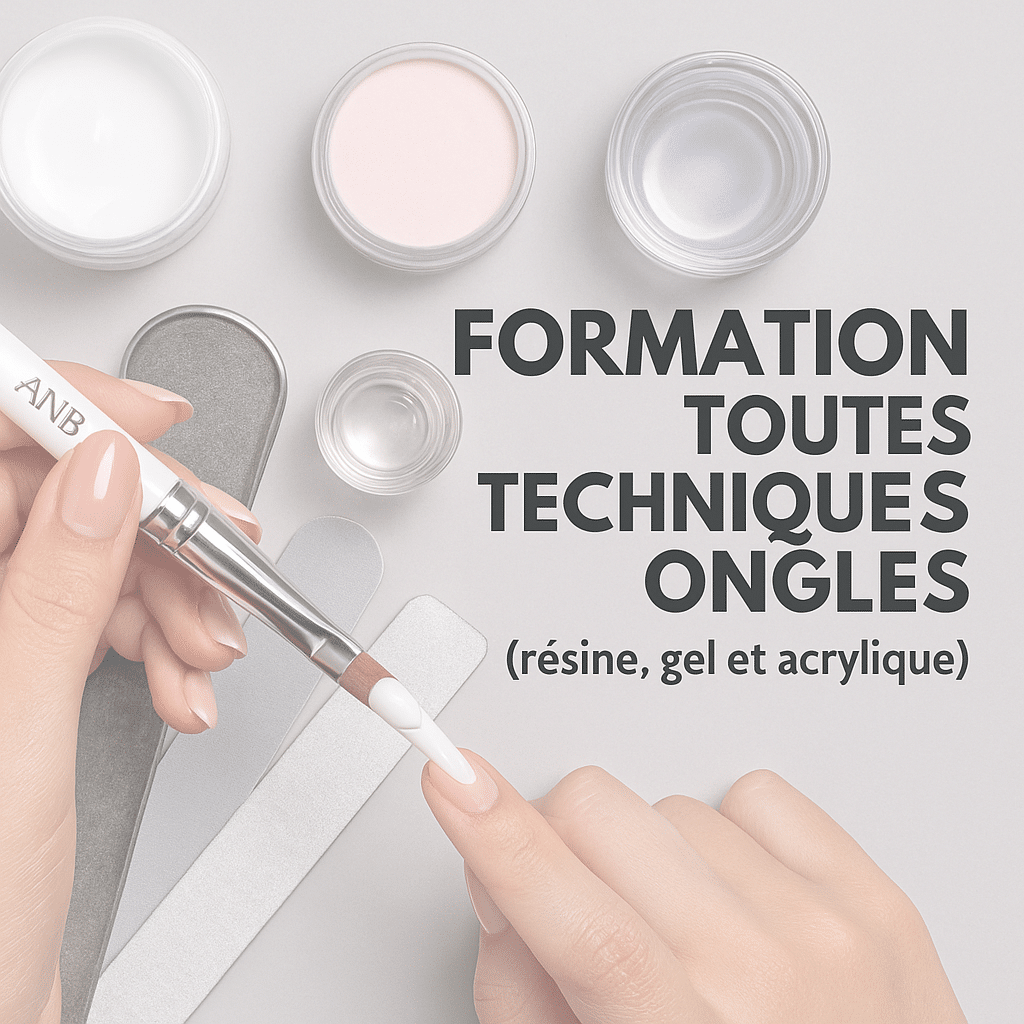
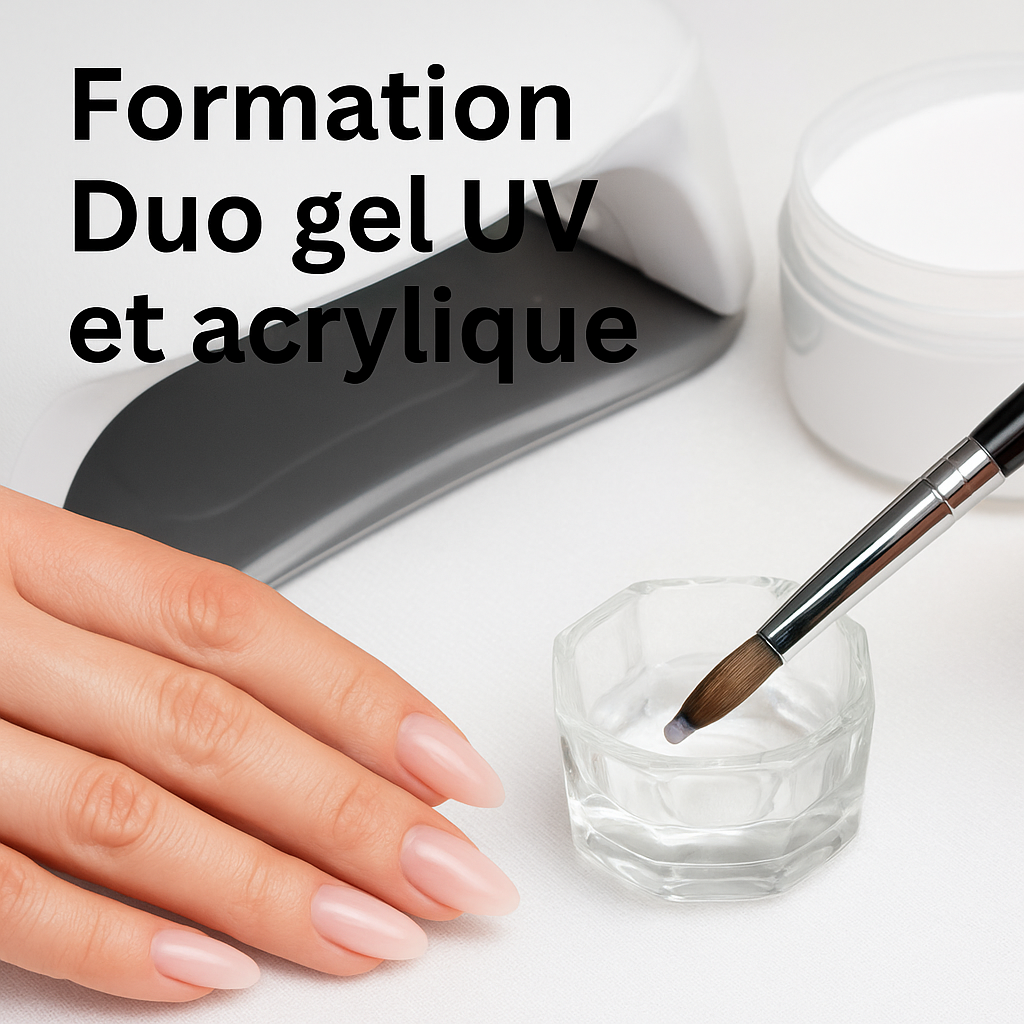
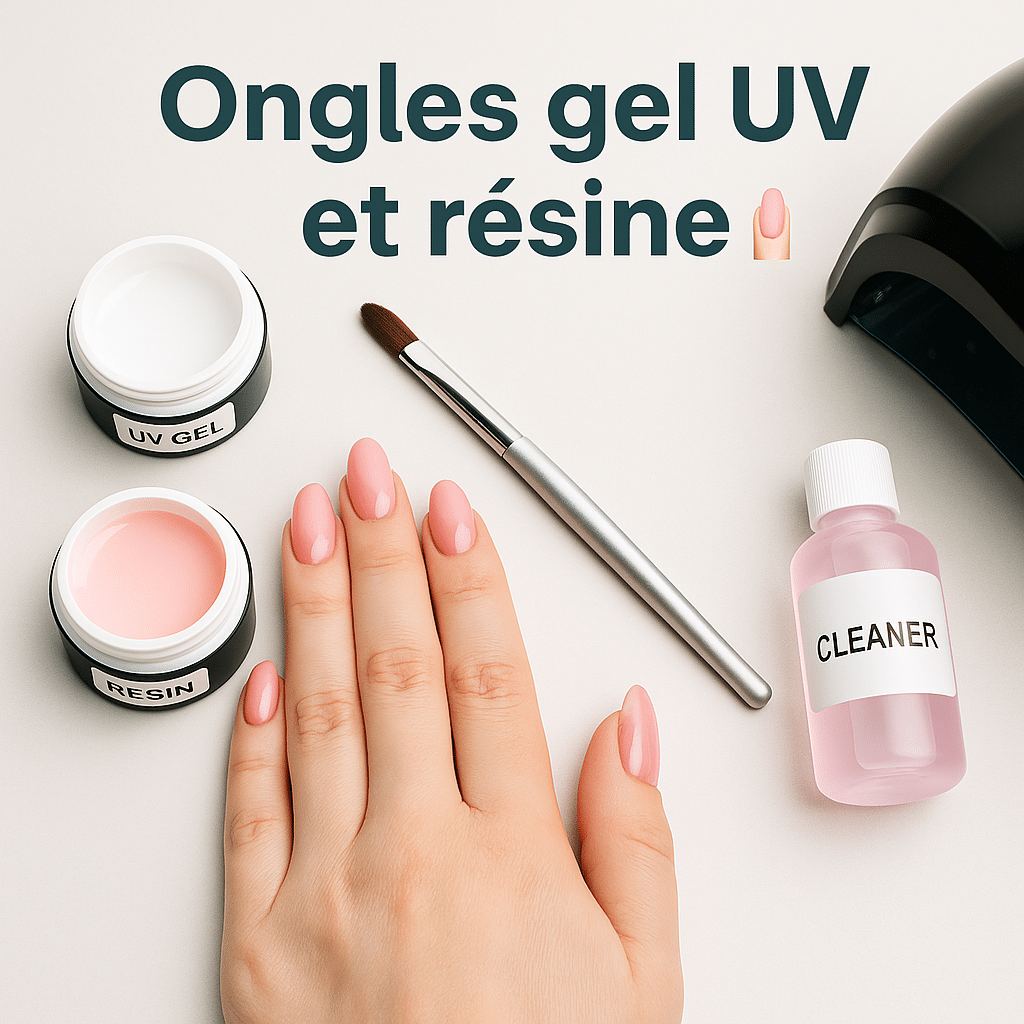
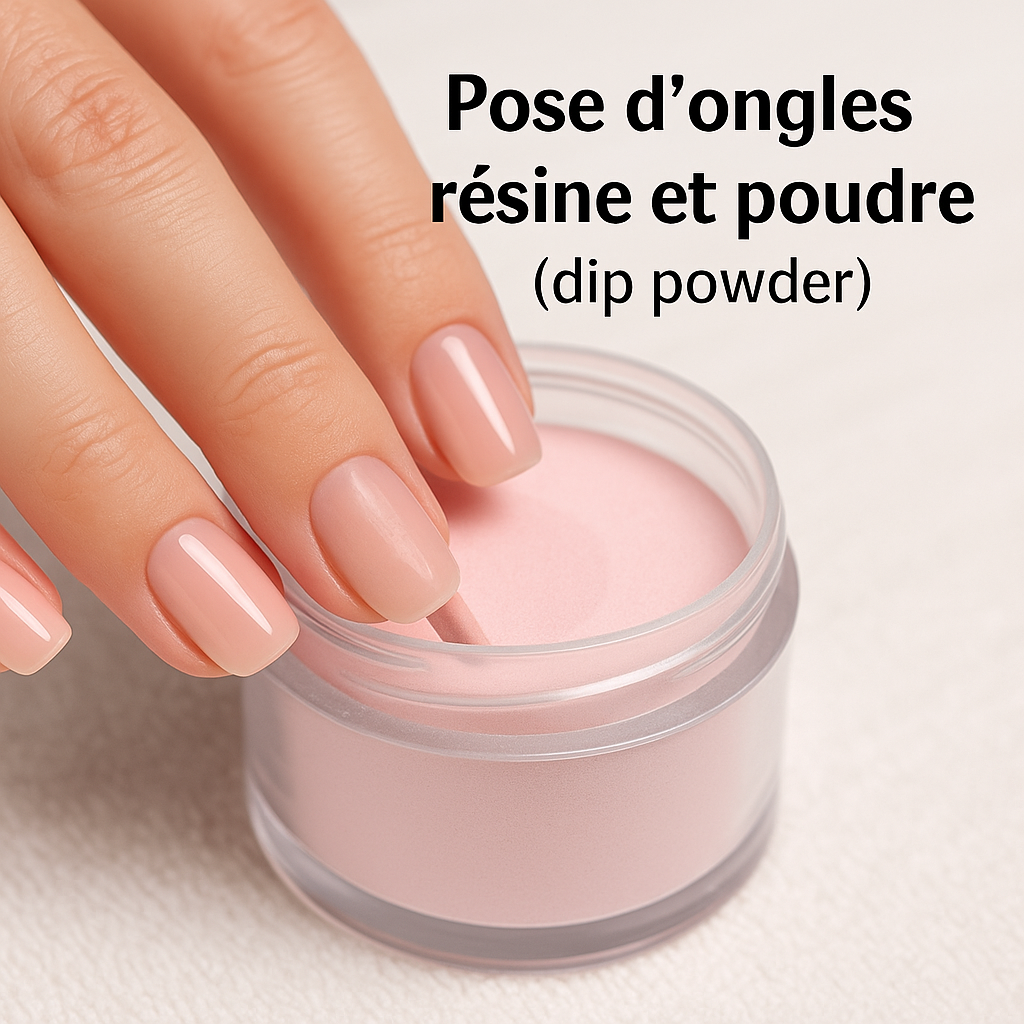
There are 3 basic nail techniques: Resin and powder, UV gel and acrylic, as well as several derivatives such as UV resin (a mixture of resin and powder and UV gel) or acrylic (a mixture of acrylic and UV gel).
You can choose to learn just one, two or all of them! How to choose? It all depends on your type of customer, your needs and your personality. So here’s a quick summary:
Resin and powder may seem difficult to understand, since there are several products and steps to learn and master, so it requires ease of comprehension and a good memory. On the other hand, the application of products is very straightforward, but if you can apply a varnish, you’ll be able to apply a resin. This technique is long-lasting and produces beautiful results. The products are from Quebec and not very expensive. This technique doesn’t smell very strong. To remove false nails, simply soak your fingers in acetone. It is well suited to most customers.
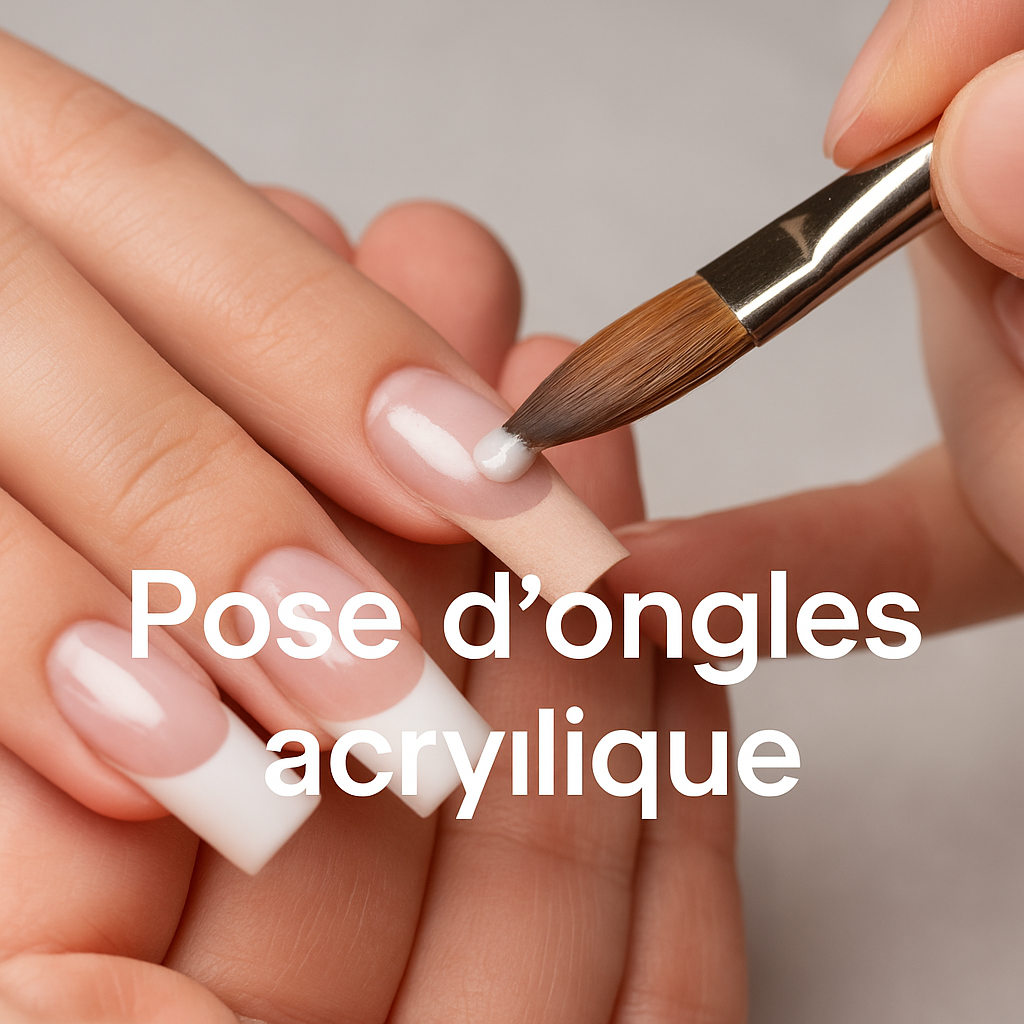
Acrylic is the oldest technique. The technique is easy to understand, since it doesn’t involve many steps, but it’s difficult for most beginners to master (more practice, speed, attention to detail, artistic sense). The technique is very fast. This is a highly resistant technique. On the other hand, it gives a less natural result (thicker, heavier). The products are not expensive. This technique smells VERY good. To remove false nails, simply soak your fingers in acetone. Suitable for problem nails: bitten, deformed, flat, etc.
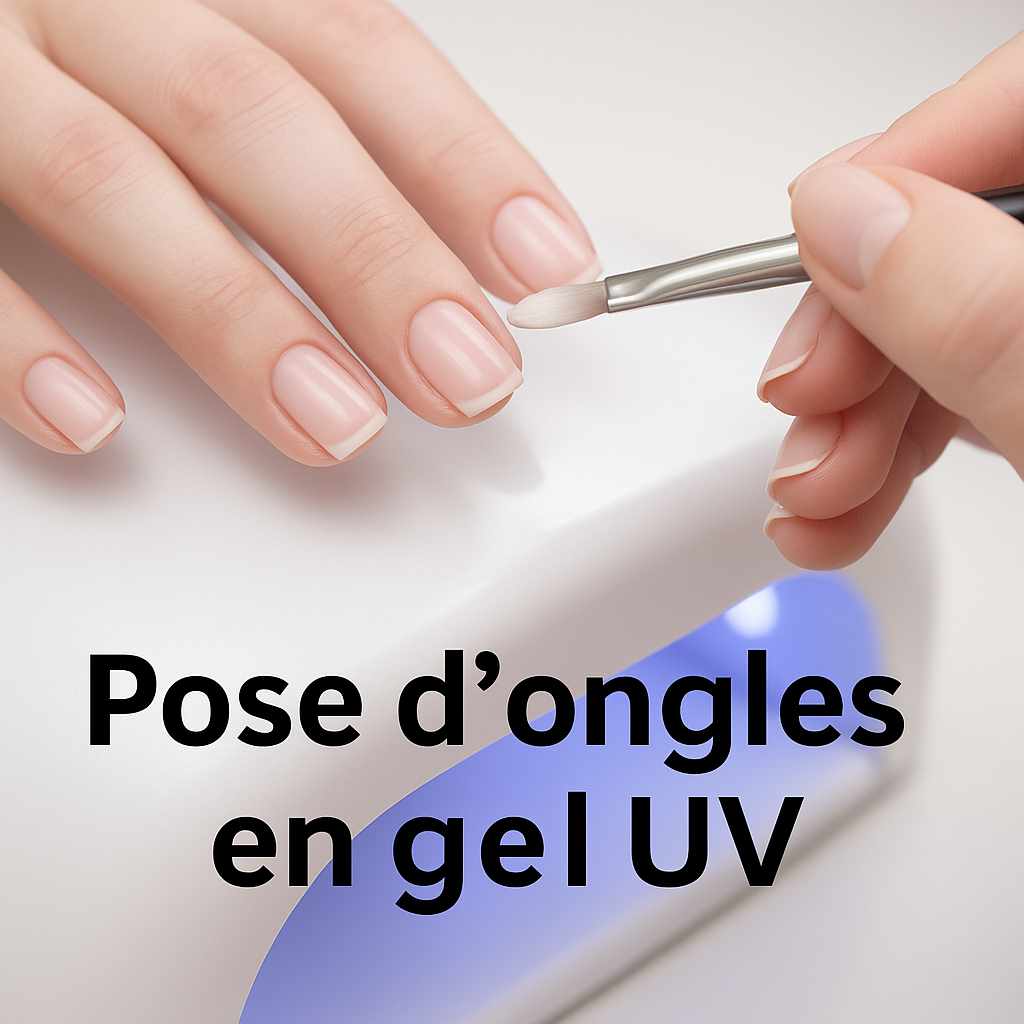
UV gel is a more recent technique. To apply the products correctly, you need to be gentle and meticulous. This technique is less resistant than the previous two, but gives a more natural, brighter and lighter result. Products and training are more expensive. This technique is odorless. Small disadvantage: to remove false nails, you have to file everything down, as this technique doesn’t melt in acetone. It is ideal for natural nails (without prostheses), or for events such as balls, weddings or others.
UV resin is a very simple and fast technique. The products are from Quebec and not very expensive. This technique is odorless. This technique is less resistant than resin and powder, but gives a beautiful result. Small disadvantage: to remove false nails, you have to file everything down, as this technique doesn’t melt in acetone. Very practical for doing your own nails.
UV varnish is a manicure technique, not a nail application. UV varnish (Shellac) can be used on natural fingernails or toenails (healthy nails only), or on any nail application technique, for the purpose of applying color, not to thicken, lengthen or harden the nail.
Silk is a technique for repairing and protecting natural nails. Silk can be used on natural nails, with or without nail extensions.
Gel-X / Gel Tips Application
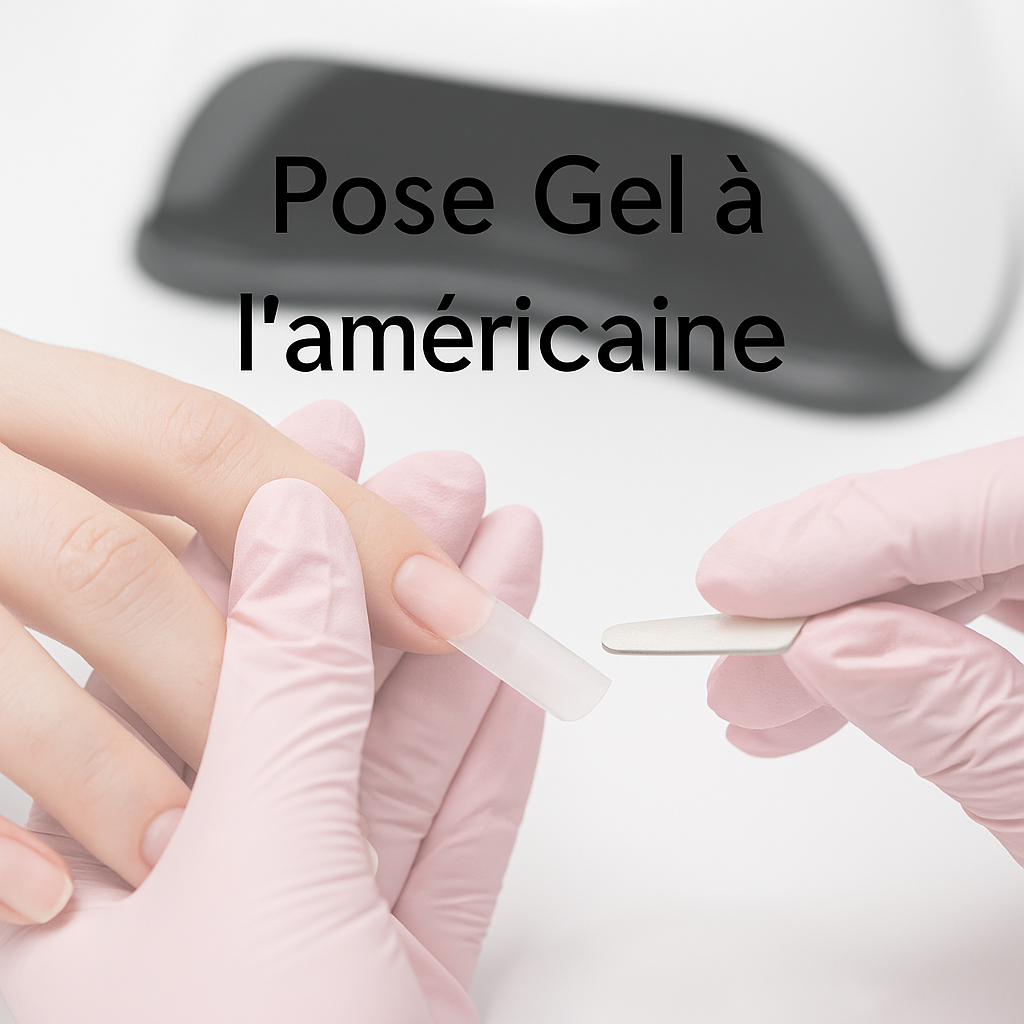
Gel-X application is a modern nail extension technique using soft tips adhered to the natural nail with builder gel or adhesive gel. Unlike traditional resin or acrylic extensions, these tips are pre-formed, uniform, and designed to protect the natural nail. This technique is valued for its speed, lightness, and extremely clean finish. It is perfect for clients who desire an elegant look without strong odors or excessive dust.
New
Complete Gel-X Training 2 days $950 + tax
Kit: top and gel base
1 color gel varnish
1 master resin
1 Gel Adhesive
1 builder gel brush
1 cleanser
10 wooden cuticle shoots
2 files 1 block
1 prosthesis box of your choice
1 uv lamp
1 desiccant
1 liner brush
1 glass bowl
Advanced Training without Kit (for existing technicians) $450 + tax, 6 hrs
All our training courses include a final exam to obtain the diploma.
Our courses:
A technique: resin and powder
2-day course
$850 + taxes, starter kit included (The kit includes the basic essentials for 10 to 20 clients)
* You can upgrade your kit for a small extra charge.
A technique: acrylic
2-day course
850 + taxes, starter kit included (Kit includes basic equipment for 10 to 20 clients)
* You can upgrade your kit for a small extra charge.
A technique: u.v. gel
2-day course
$950 + taxes, starter kit included (The kit includes the basic essentials for 10 to 20 clients)
* You can upgrade your kit for a small extra charge.
Two techniques: u.v. gel AND acryliclique
2-day course
$1099 + taxes, starter kits included (The kit includes the basic essentials for 10 to 20 clients)
* You can upgrade your kit for a small extra charge.
Two techniques: u.v. gel AND resin and powder
2-day course
$1099 + taxes, starter kits included (The kit includes the basic essentials for 10 to 20 clients)
* You can upgrade your kit for a small extra charge.
Two techniques: acrylic AND resin and powder
2-day course
999 + taxes, starter kits included (Kit includes basic kit for 10 to 20 clients)
* You can upgrade your kit for a small extra charge.
Combo ALL techniques: resin and powder, acrylic, u.v. gel, gel and silk varnish:
3-day Course
$1399 + taxes, starter kit included (The kit includes the basic essentials for 10 to 20 clients)
* You can upgrade your kit for a small extra charge.
Other important information:
- Products supplied during the course.
- You will receive a course book containing all the material taught.
- Certification of course completion recognized by revenu Québec, distributors and insurers.
- Tax receipt available.
- We offer constant follow-up with our students, as needed, by phone or in person at the boutique, for any future problems or questions.
Advanced nail courses and nail art courses available: 3D, Foil, Fimo, stamping, paper forms, etc.
Private one-day course (3 hours) where you decide which techniques you want to learn in that time.
250 + taxes
🎓Curriculum for our Nail Extension Trainings:
This curriculum represents the common foundation taught in all our nail extension trainings, regardless of the chosen technique. It covers science, safety, professional techniques, structure, shapes, application, and everything a technician must master to provide durable, aesthetic, and safe work.
1. Nail Anatomy & Professional Vocabulary
– natural nail anatomy
– functions, structure, specific zones
– scientific, medical terms, and technician terminology
– nail growth & factors influencing nail health
2. Personal Hygiene, Salon Hygiene & Workstation Setup
– professional presentation
– organizing an efficient workstation
– salon hygiene, professional standards
– waste management and safety protocols
– technician and client protection
3. Asepsis, Disinfection & Sterilization
– difference between hygiene, disinfection, asepsis, sterilization
– products used: alcohol, CS20, RTU, etc.
– tool sterilization and equipment maintenance
– infection prevention
– common mistakes to avoid
4. Contraindications & Nail Diseases
– common nail diseases
– problematic and pathological nails
– when to refuse service
– fungal infections, green nail syndrome, psoriasis, lifting, etc.
– myths, Q, precautions
5. Product Science Nail Chemistry
– solvents, resins, acrylates
– bases, primers, bonders
– cyanoacrylates (adhesives) and their properties
– UV gels, soft gels, powders, monomers
– colors: gel vs. powder, pigments
– regulations: Health Canada
6. Tools Materials
– brushes, files, drill bits
– scissors, nippers, spatulas
– choosing an electric file and safe use
– abrasives, grits, shapes
– nail forms: types, materials, use
– tips: types and materials (ABS, PMMA, soft-gel, hybrids)
– how to identify each type of tip
7. Client Consultation Professional Service
– nail and needs analysis
– choosing the technique based on the client
– treatment plan
– professional communication
– managing expectations results
– client service and retention
8. Nail Preparation
– complete preparation protocol
– Russian manicure (safety, tools, steps)
– plate preparation
– dehydration primer
– managing skin and cuticles
9. Tip Selection and Application
– how to choose the right tip
– fitting, sidewalls, stress points
– tip/natural nail blending
– common mistakes to avoid
– difference between rigid, semi-flexible, and soft-gel tips
– adaptation based on technique
10. Nail Structure, Shapes Architecture
– creating a strong apex
– arch, sidewalls, complete architecture
– stress zone and support zone
– different shapes: square, ballerina, oval, almond, stiletto, etc.
– correcting problematic shapes and bitten nails
11. Techniques by Product Type
Depending on the chosen training:
– UV gel
– acrylic
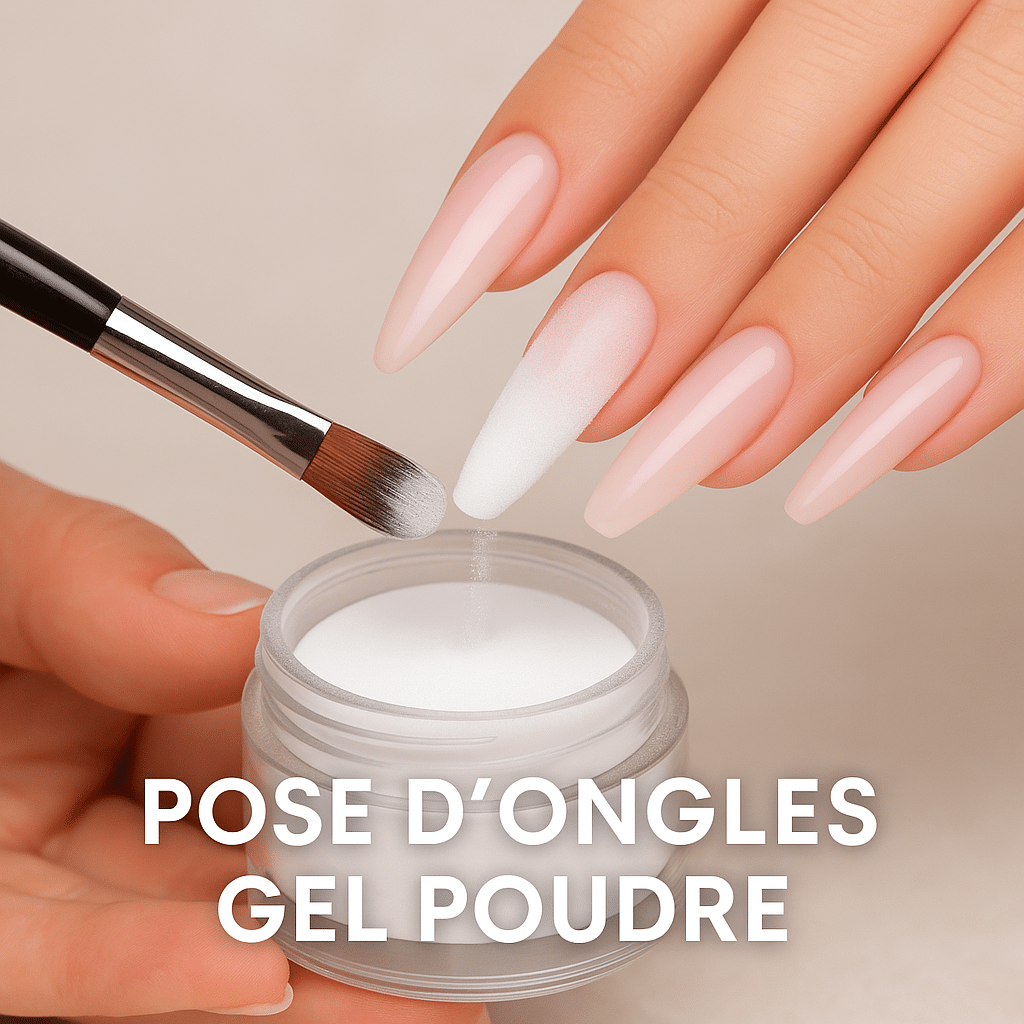
– acrygel (polygel)
– dip powder
– Gel-X (soft tips)
– nail form (sculpting)
This learning includes:
– application
– mastering textures
– product dosage
– structure creation
– French techniques
12. Finishing
– smoothing and refinement
– top coat selection
– technique for a perfect finish
– final harmonization
13. Hand Care and Massage
– basic massage techniques
– moisturizing treatments and cuticle oil
– post-treatment advice
14. Troubleshooting, Correction Problem-Solving
– causes of lifting
– air bubbles, cracks, breakage
– how to diagnose a problem
– responses to common situations
– adjusting the technique based on the client
15. Maintenance Refill Procedure
– how to perform an effective and safe refill
– regrowth analysis
– nail repair
– when to redo a full set
16. Safe Removal
– gel removal
– acrylic removal
– soft tip removal
– protocols to prevent damage
17. Professional Tools: Photos Marketing
– how to take beautiful photos
– angles, lighting, hand presentation
– basic marketing
18. Documentation Client Service
– complete client records
– post-treatment records
– follow-up
19. Assignments Final Exam
– practical and written exercises
– models to complete
– technical evaluations
– theoretical exam
| Nails training | acrylic, acrylic AND resin and powder, American-style gel formation (full denture), Five-technique combo: resin and powder, acrylic, UV gel, shellac and silk, Nail enhancement and nail art courses: 3D, Foil, Fimo, stamps, paper shapes, etc., resin and powder, u.v ET acrylic gel, u.v. gel, u.v. gel AND resin and powder |
|---|
Related products
-
Sale!

Lash Morphology & Styling Training
$199.00 – $799.00Price range: $199.00 through $799.00 -

Marketing & Business Coaching Training
$75.00 – $1,299.00Price range: $75.00 through $1,299.00 -
Body Care & Advanced Training
$500.00 – $1,500.00Price range: $500.00 through $1,500.00 -
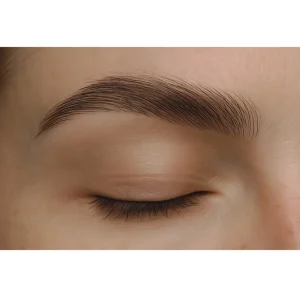
Lashlift, Browlift & Advanced Techniques Training
$399.00 – $449.00Price range: $399.00 through $449.00 -

Complete Aesthetics Training
$4,999.00 -

Online Training
$85.00 – $1,350.00Price range: $85.00 through $1,350.00 -
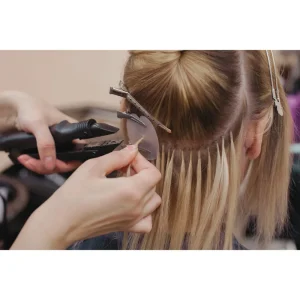
Advanced Hairdressing Training
$450.00 – $550.00Price range: $450.00 through $550.00 -
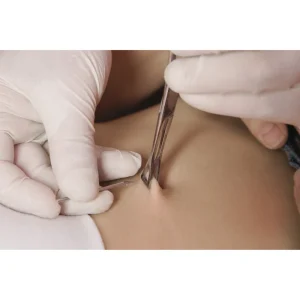
Piercing Training
$299.00 – $1,299.00Price range: $299.00 through $1,299.00 -

Facial Care Training & Advanced Techniques
$500.00 – $2,399.00Price range: $500.00 through $2,399.00 -
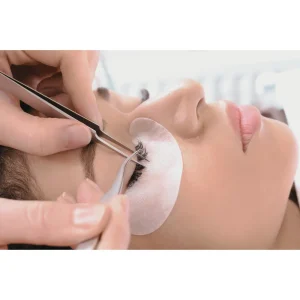
Eyelash Extension Training & Advanced Courses
$250.00 – $1,099.00Price range: $250.00 through $1,099.00